Premium Link-Building Services
Explore premium link-building options to boost your online visibility.
Explore premium link-building options to boost your online visibility.
In the world of wildlife tourism, the concept of the "Big 5" immediately conjures images of the African savanna, checklist in hand, searching for lions and elephants. For the dedicated global birder, however, the concept is far more nuanced, shifting focus from sheer size to ecological importance and rarity.
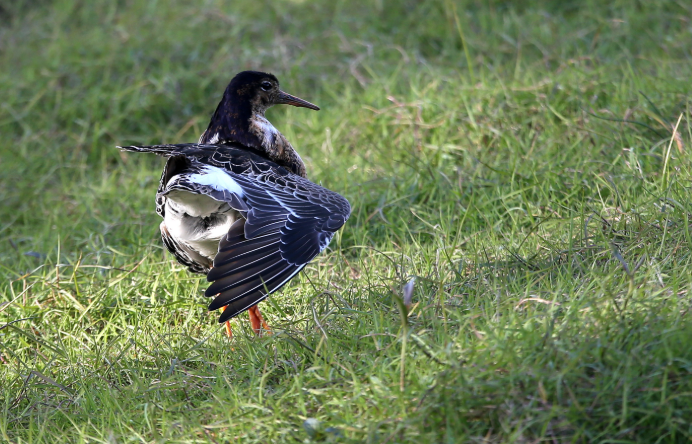
Central Europe, often overlooked in favour of the Mediterranean or the Arctic, holds one of the continent’s most remarkable concentrations of rare and protected avian life. At the heart of this region is Hungary, a country that offers a spectacular mosaic of Puszta (steppes), vast wetlands, and ancient mountain forests.
Hungary is not just a destination for history and wine; it is a critical hub for global conservation, home to flagship species that represent true European ornithological specialties. For the birder crafting their ultimate European bucket list, we, the experts in Central European expeditions, present the official, conservation-driven "Big 5" of Hungary.
These five species are not merely common sightings; they are highly sought-after specialties that require dedicated time, local knowledge, and an appreciation for the conservation successes of the region. Checking off this list requires a pilgrimage to the nation's key habitats, solidifying Hungary’s reputation as a world-class birding destination.
Our selection for the "Big 5" focuses on charismatic, high-profile species that are either rare, globally endangered, or uniquely representative of the Pannonian basin’s specialized habitats.
The list that defines the Hungarian birder’s ultimate quest includes:
The Great Bustard (Otis tarda)
The Eastern Imperial Eagle (Aquila heliaca)
The Saker Falcon (Falco cherrug)
The Red-footed Falcon (Falco vespertinus)
The Pygmy Cormorant (Microcarbo pygmeus)
Successfully locating and observing these five species in their natural habitats represents the pinnacle of Hungarian birding.
Few birds evoke the majesty and vulnerability of the European steppe like the Great Bustard. This massive, stately bird—the heaviest flying bird native to Europe—is the undisputed flagship of the Hungarian Puszta. Its presence is a testament to dedicated habitat protection and intensive conservation efforts across the Great Hungarian Plain (Nagy Alföld).
Why it’s a 'Big 5': The Great Bustard is globally vulnerable, and Hungary hosts one of its most important surviving populations, making it a critical species for any serious birder. The spectacle of the male’s "bubbling" display during the spring lek—a dazzling, almost comical courtship ritual where the male inverts his plumage to resemble a massive ball of white feathers—is unforgettable.
Where to Find Them: The best viewing opportunities are concentrated in the carefully managed grasslands of the Dévaványa Landscape Protection Area and parts of the Kiskunság National Park. The open landscape, though challenging for finding the well-camouflaged birds, is essential to their survival.
When to Visit: Early spring (March-April) is ideal for witnessing the spectacular lek displays.
The Eastern Imperial Eagle is the crown jewel of Hungary’s raptor population and a symbol of conservation victory. Once severely threatened across its range, the species has rebounded significantly in Hungary due to dedicated anti-poisoning campaigns, nest site protection, and community involvement.
Why it’s a 'Big 5': This magnificent raptor is a globally vulnerable species, and Hungary holds the westernmost stable population in Europe. Seeing its massive, dark silhouette soaring over the plains, often identified by the striking golden-blond crown and nape feathers, is a deeply rewarding experience.
Where to Find Them: These eagles prefer fragmented woodland areas adjacent to open steppe and agricultural fields where they can hunt ground squirrels and hamsters. Prime locations include the Hortobágy National Park and the wooded areas bordering the Kiskunság. Winter offers easier viewing as they concentrate in certain feeding areas.
Conservation Note: The success of the Hungarian Imperial Eagle population is directly tied to the MME/BirdLife Hungary LIFE Programme projects, making the species an inspiring example of effective conservation.
Swift, powerful, and majestic, the Saker Falcon is revered across the Eurasian steppes. This bird is not only a major conservation target but also the world’s fastest raptor found in Europe, making it a highly desirable checkmark for any international birder.
Why it’s a 'Big 5': The Saker Falcon is endangered globally due to habitat loss and illegal trapping. Hungary is one of its most important breeding strongholds in the European Union. Its specialized hunting style, using surprise and speed over open ground, defines its unique ecological niche.
Where to Find Them: Sakers favor open plains and areas with scattered trees or man-made structures (like electricity pylons) which they use for nesting platforms. The Hortobágy and surrounding open farmlands are excellent for observing Sakers hunting, often flying low and fast. They are typically territorial, making known nesting areas key to a successful sighting.
In stark contrast to the solitary Imperial Eagle and Saker, the Red-footed Falcon is the colorful, gregarious specialist of the Hungarian plains. This elegant, predominantly insectivorous falcon is famous for its cooperative, colonial nesting habits.
Why it’s a 'Big 5': The Red-footed Falcon has seen sharp declines across Eastern Europe, making the large breeding colonies in Hungary critically important. The sight of dozens, sometimes hundreds, of these falcons swirling over the fields, their striking blue-grey (male) and warm orange-buff (female) plumage contrasting vividly, is one of the most memorable spectacles in Central European birding.
Where to Find Them: They are summer visitors, arriving in late April. They often nest in abandoned corvid (rook) nests, forming dense colonies in shelterbelts, poplar stands, or small groves scattered throughout the Kiskunság and southern Hortobágy regions. Look for them feeding low over insect-rich meadows, often hovering delicately before dropping to the ground.
Moving away from the dry steppes, the Pygmy Cormorant represents the unparalleled richness of Hungary’s eastern wetlands. This small, slender cormorant is an Eastern European specialty, distinct from its larger Great Cormorant relative.
Why it’s a 'Big 5': The Pygmy Cormorant is a rare and localized species across much of its range. Hungary's extensive systems of oxbow lakes, fish ponds, and reedbeds—particularly along the Tisza River and its tributaries—provide essential breeding and feeding grounds, supporting significant colonies.
Where to Find Them: They are reliably found in the Hortobágy’s extensive fish pond system (a birder's paradise), and the dense reedbeds and flooded areas of Kiskunság National Park. They are often seen feeding in groups, diving frequently, or perched low on submerged branches in the dense marsh vegetation. Early morning is the best time to see them actively foraging.
To successfully track down the "Big 5," a birder must concentrate their efforts within three globally recognized biodiversity hotspots in Hungary. These areas are all UNESCO-protected or designated National Parks, offering controlled access and professional guiding opportunities.
1. The Hortobágy National Park (The Puszta): The undisputed heart of Hungarian birding. This vast, flat grassland is the quintessential home for the Great Bustard, Eastern Imperial Eagle, and Saker Falcon. The park’s complex of fish ponds is also crucial for migrants and provides some of the best viewing for the Pygmy Cormorant and numerous other wetland species (e.g., White-tailed Eagle, numerous waders). The landscape itself, with its Fata Morgana mirages and traditional well-sweeps, adds a unique cultural dimension to the birding experience.
2. The Kiskunság National Park: South of Budapest, Kiskunság offers a more varied habitat, including alkali lakes, sand dunes, and patches of forest. This park is particularly strong for the Red-footed Falcon colonies and provides excellent secondary locations for the Great Bustard and various raptors. The alkali lakes are internationally important for migrating waders and often hold thousands of shorebirds during migration.
3. The Zemplén Mountains (Northeast Hungary): While primarily known for woodland species like owls (Ural, Eagle) and various woodpeckers (White-backed, Middle Spotted), Zemplén’s role in the "Big 5" quest is primarily for raptor observation. The wooded hills provide nesting sites for various species, offering a valuable contrast to the plains. An extended stay in this region often yields glimpses of Sakers or Imperial Eagles hunting in the transitional zones between forest and field.
Hungary offers excellent infrastructure for visiting birders, but success, particularly with the elusive "Big 5," requires planning and adherence to ethical guidelines.
Best Timing: The optimal period for a comprehensive trip is April and May. This window captures the spectacular spring migration, the lek of the Great Bustard, the arrival of the Red-footed Falcons, and the active breeding season for the eagles and Sakers. A second, highly rewarding period is late autumn (October-November) for observing large congregations of raptors and migrating waterbirds.
The Role of Guides: While independent birding is possible, securing a local, professional guide is strongly recommended, especially for the Great Bustard and rare raptors. Local guides possess the detailed, up-to-the-minute knowledge of nesting sites and roosts, dramatically increasing the chance of success while ensuring the birds are not disturbed. Furthermore, many prime Bustard viewing areas require special permits that are best managed through established guiding services.
Ethical Birding is Mandatory: The conservation status of the "Big 5" means ethical behaviour is non-negotiable. Always view these species from a distance using telescopes or powerful optics. Never approach a nest site. Limit the use of playback to avoid stressing nesting birds. By prioritizing the well-being of the birds, you ensure that future generations of birders can also experience the thrill of the Hungarian Big 5.
Hungary’s "Big 5" represents more than just a list of species; it is a narrative of ecological resilience, dedicated conservation, and the sheer joy of discovery. From the vast, silent Puszta where the Great Bustard booms, to the ancient woodlands where the Imperial Eagle rules the sky, Hungary offers an unparalleled journey into the heart of European avian heritage.
For the international birder seeking a meaningful, challenging, and profoundly rewarding experience, Hungary is not merely a stopover—it is a destination defined by these five magnificent birds. The bucket list awaits.
Explore premium link-building options to boost your online visibility.